Our Business Hours
Mon - Fri: 7:30 am - 3:00 pm | Sat - Sun: Closed⚡ Attention DIY Homeowners
The Risks of DIY Electrical Work
Electrical work can be dangerous and complex. Even small mistakes can lead to serious safety hazards, property damage, or code violations.
⚠️ Electric Shock Risk
- Turning off a single breaker does not always disconnect all power to a room
- Hidden or shared circuits may still be energized
- Working without proper tools, testing equipment, or PPE can result in serious electric shock
🔥 Fire Hazards
Improper electrical work can create serious fire risks, including:
- Incorrect wiring or loose connections
- Overloaded circuits
- Using the wrong wire size (gauge) for the application
📋 Code Violations & Permits
- Electrical work must comply with the 2017 National Electrical Code (NEC)
- Many electrical upgrades require proper permits and inspections
- Non-compliant work can lead to failed inspections and costly corrections
🏠 Insurance Risks
Most homeowners and renters insurance policies require electrical work to be completed by a licensed professional.
If a fire or damage occurs due to unlicensed or unpermitted electrical work, insurance claims may be denied—leaving the homeowner fully responsible for damages.
⚡ Hidden or Long-Term Damage
Improper repairs may appear to work at first but can cause:
- Undetected system damage
- Future electrical failures
- More expensive repairs over time
🔌 Appliance & Equipment Damage
Incorrect wiring or voltage issues can damage sensitive appliances and electronics.
Appliance circuits must also meet NEC requirements to ensure safe and proper operation.
💡 When in Doubt, Call a Professional
Electrical work is not always visible or straightforward. What looks simple can quickly become a serious safety risk.
Elect-Tech, Inc. is here to help ensure your home is safe, code-compliant, and properly wired.
⚡ The ones to trust when power’s a must.
Commonly Overlooked Electrical Safety Tips for Homeowners
🏠 Indoor Electrical Safety
🔌 Damaged or Frayed Cords
Pets, everyday wear, or heavy use can damage electrical cords.
- Inspect cords regularly for fraying or exposed wiring
- Replace damaged cords immediately—do not continue using them
👶 Child Safety
If you have small children in the home:
- Use outlet safety covers or tamper-resistant receptacles
- Keep cords and plugs out of reach when possible
⚠️ Extension Cord Use
Extension cords should only be used temporarily:
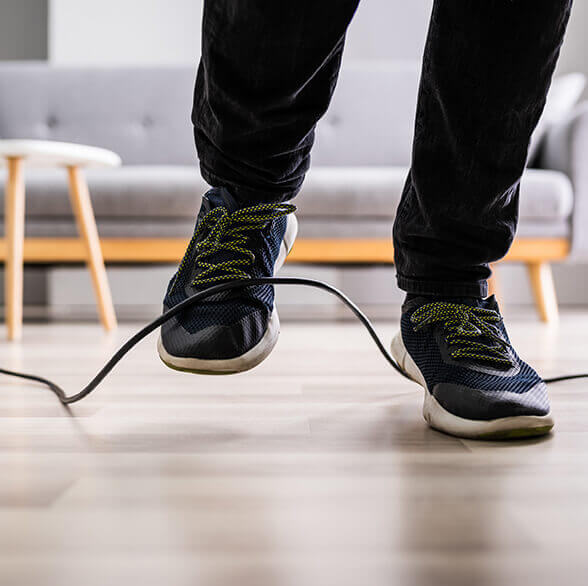
- Do not run cords under carpets, rugs, or doorways
- Follow manufacturer instructions for safe use
- Avoid using extension cords as permanent wiring solutions
🔥 Overloaded Outlets
Overloading outlets can lead to overheating and fire hazards:
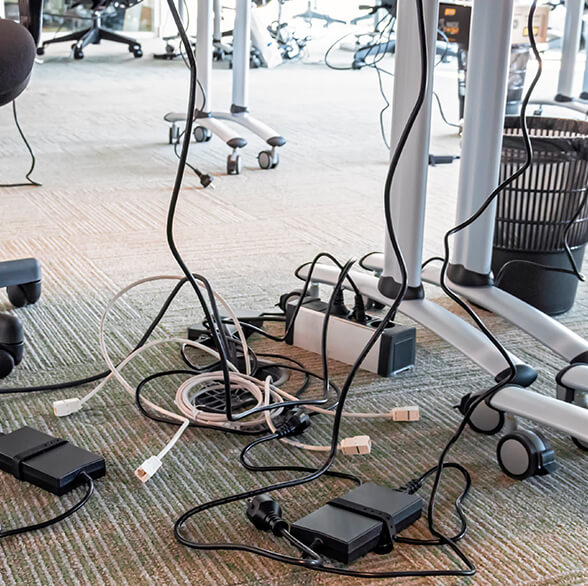
- Avoid plugging multiple high-wattage appliances into the same outlet
- If outlets or switches feel warm, stop using them immediately
- Have the circuit inspected by a licensed electrician
💧 Electricity & Water
- Never handle electrical devices with wet hands
- Do not use appliances near water sources unless rated for it
- Keep electrical equipment away from sinks, tubs, and wet areas
🌩️ Outdoor Electrical Safety
⚡ Storm Safety
During or after storms:
- Turn off or unplug sensitive electronics to prevent surge damage
- Avoid standing water near electrical equipment
- Do not use wet appliances
🚫 Power Lines & Outdoor Hazards
- Never play or fly kites near overhead power lines
- If an object becomes tangled in a power line, do not attempt to retrieve it
- Avoid trimming trees near power lines—this should only be done by professionals
⚠️ Signs of Unsafe Wiring to Watch For
Contact a licensed electrician if you notice:
- Flickering or dimming lights
- Burning smells near outlets or panels
- Frequently tripping breakers
- Discolored or warm outlets
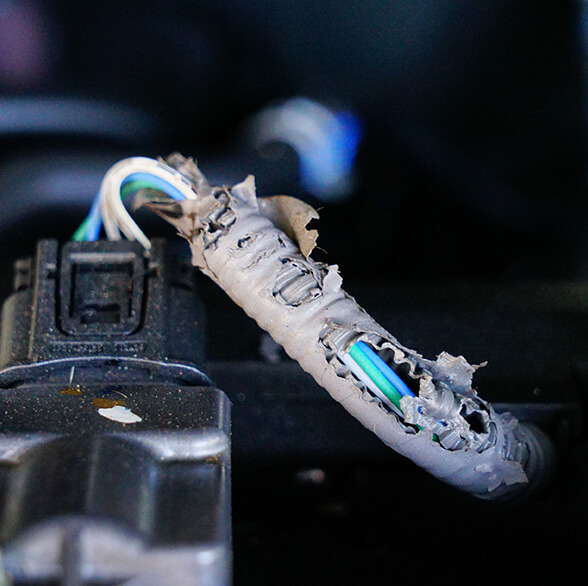
- Outdated or visibly damaged wiring
💡 When to Call a Professional
If you are unsure about any electrical issue, it is always safest to consult a licensed electrician.
Elect-Tech, Inc. is here to help ensure your home remains safe, efficient, and up to code.
⚡ The ones to trust when power’s a must.
Below are examples of unsafe wiring conditions to watch for in your home: